
As an Amazon Associate I earn from qualifying purchases. Product prices and availability are accurate as of the date indicated and are subject to change.
Best Smokers 2026: Top Options Compared & Ranked

Quick verdict
Start with the featured picks, then use the comparison notes and buyer guidance to narrow the right fit.
Read time
10 min
Product links
Affiliate redirects keep click tracking tied to this guide while preserving the Amazon destination.
Recommended products
Featured picks
Prices and availability change. Use the links to confirm current listing details.
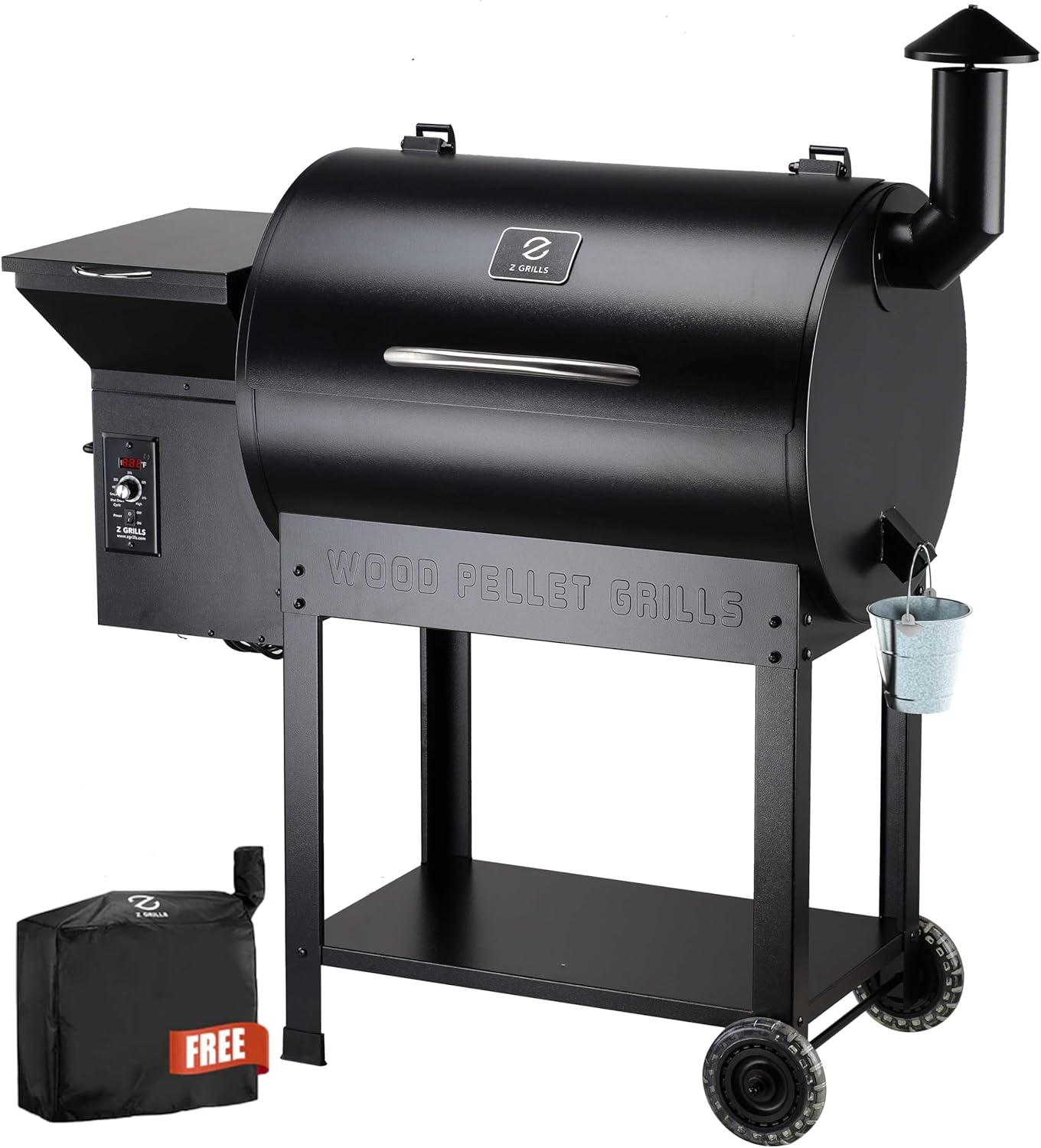
Z GRILLS 2026 Upgrade Wood Pellet Grill Smoker with PID Control, Built-in...
by Z GRILLS
In this guide
Introduction
If you're standing in your backyard wondering whether to invest in a smoker, you're not alone—and you're probably asking the right questions. Should you spend more for extra features, or will a solid mid-range model do the job? How much cooking space do you actually need? Will the temperature control keep up with your ambitions, or will you spend weekends babysitting the heat?
This guide cuts through the noise by comparing real smokers at different price points, so you can match your actual entertaining style to the right machine. We're focusing on pellet smokers—they're forgiving, versatile, and let you smoke, grill, bake, and roast without constantly tending a fire. That flexibility is why they've become the go-to choice for backyard cooks who want both convenience and flavor.
The two models we're examining side-by-side are both from Z GRILLS, a brand with over 30 years in the outdoor cooking space. The top pick is the Z GRILLS 2026 Upgrade Wood Pellet Grill Smoker at $599, and the budget option is the Z GRILLS 2026 Upgrade 8-in-1 BBQ Pellet Grill & Smoker at $459. (Prices may vary; check Amazon for current rates.) Both deliver the same 697 square inches of cooking area and 28-pound hopper capacity, but they differ in what's bundled and what's built-in—and that matters more than you'd think.
Here's who this guide is for:
- Homeowners deciding between entry-level and mid-tier pellet smokers
- Cooks who entertain 15–30 people regularly and need serious capacity
- Anyone weighing upfront cost against long-term convenience (storage, assembly, accessories)
- People new to pellet grills who want to understand what PID temperature control actually does
The key question isn't "which smoker is objectively best"—it's "which one fits your budget, space, and cooking rhythm?" A $599 grill with a built-in cabinet and rain cover makes sense if you're buying once and want everything included. A $459 model with the same cooking power appeals if you're willing to buy storage and a cover separately, or if you're testing the pellet-grill waters before going all-in.
Let's dig into what separates them, what they do equally well, and how to pick the one that won't collect dust in your garage.
How the Top Picks Compare
If you're narrowing down between pellet smokers, the real question isn't whether Z GRILLS makes a solid grill—both models here prove they do. The choice comes down to what extras matter to you and how much you're willing to spend.
The Core Specs: Nearly Identical
Both the Z GRILLS 2026 Upgrade top pick ($599) and the Z GRILLS 2026 Upgrade budget option ($459) deliver 697 square inches of cooking space and a 28-pound hopper that runs up to 28 hours on a full load. They share the same upgraded PID temperature control system, which automatically adjusts heat to keep your smoker steady—no more babysitting the dial. That matters: consistent temperature means even smoke rings and predictable cook times, whether you're smoking brisket low-and-slow or grilling hot-and-fast.
Both are built from durable steel with high-temperature powder coating, and both come with a 3-year warranty. The cooking area and fuel capacity are genuinely the same, so you're not downsizing if you go budget.
Where They Actually Differ
The $599 top pick includes two things the $459 model doesn't: a built-in storage cabinet and a rain cover. The cabinet keeps your pellets, tools, and accessories organized and protected right at the grill—no separate shed or garage storage hunt. The rain cover protects your investment between cookouts, which adds years to the paint and internals.
If you're buying the budget model, plan to spend another $80–150 on a decent grill cover and possibly invest in a small storage bin for pellets. That narrows the real-world price gap considerably.
Who Should Pick Which
Go for the top pick if you entertain regularly (20+ people monthly), live somewhere with wet winters, or value convenience. The cabinet and cover justify the $140 premium over time, and you'll appreciate not scrambling for cover when rain rolls in.
The budget option makes sense if you have covered storage nearby, live in a dry climate, or you're testing whether pellet smoking fits your routine. You're not sacrificing cooking performance—just accessories and organization.
What Reviewers Say
The top pick has logged 56,458 reviews at a 4.4-star average, while the budget model sits at 5,828 reviews and 4.3 stars. More reviews on the pricier unit suggests it's the volume seller, but the budget version's nearly identical rating tells you Z GRILLS didn't cut corners on the core grill itself—just the extras.
The Real Cost of Ownership
Neither model is cheap, but both are built to last. Factor in pellets ($15–25 per 40-pound bag, lasting roughly 40 hours of cooking), and your annual smoke habit will add up. The 28-hour hopper means fewer refills during a long weekend cookout, which is genuinely convenient if you're smoking multiple racks of ribs or briskets back-to-back.
Assembly takes a few hours either way. Both are movable, though the cabinet on the top pick adds weight—something to consider if you plan to relocate it seasonally.
Bottom Line
You're not choosing between a premium grill and a budget compromise. You're choosing between the same grill with or without convenient storage and weather protection. Prices may vary, so verify current pricing on Amazon before deciding.
What to Look For
Choosing between the best smokers comes down to matching three core areas—cooking capacity, temperature precision, and build durability—to your actual entertaining habits and budget. Let's break down what matters.
Cooking Space and Hopper Runtime
Both the Z GRILLS 2026 Upgrade top pick ($599) and the Z GRILLS 2026 budget option ($459) deliver 697 square inches of cooking area with a 28-pound hopper. That translates to fitting roughly 30 burgers, 6 rib racks, or 5 whole chickens at once—and up to 28 hours of continuous smoking on a full load. If you regularly cook for 4–6 people, this footprint is genuinely oversized; if you host 20+ guests monthly or run frequent tailgates, it's ideal. Verify current pricing on Amazon, as deals shift seasonally.
Temperature Control: Why PID Matters
Both models feature upgraded PID (Proportional-Integral-Derivative) temperature control. In plain terms, this means the grill automatically adjusts airflow and pellet feed to hold your target temperature steady—whether you're low-and-slow smoking at 225°F or hot-and-fast grilling. Without it, you're babysitting the thermometer. With PID, you set it and trust the system. For consistent bark on brisket or even doneness on chicken, this is the single biggest quality-of-life upgrade you'll notice.
Build Quality and Long-Term Value
Both smokers use durable steel construction with high-temperature powder-coated finishes, so rust resistance and structural integrity are comparable. The real difference lies in extras: the $599 top pick includes a built-in storage cabinet and rain cover, while the $459 budget model omits both. That cabinet keeps pellets, tools, and accessories organized on-site—a convenience that saves you money on separate storage bins and protects your investment from the elements. If you're factoring in a tarp or cabinet purchase separately, the gap narrows. The budget option's 3-year warranty is confirmed; the top pick's warranty coverage wasn't explicitly listed in the available specs, so verify that detail before buying.
Assembly, Portability, and Logistics
Pellet smokers are heavy and require assembly. The built-in cabinet on the top pick adds weight, making it less portable if you move it frequently. If you're a "set it and forget it" backyard fixture, that's fine. If you tailgate or transport to different locations, factor in the extra effort. Pellet storage also matters: a 28-pound hopper needs refilling every few days of regular use, so consider where you'll stack bags.
Who Should Pick Which
Choose the top pick if you value convenience and weather protection—the cabinet and cover justify the $140 premium for stationary setups. Pick the budget option if you cook regularly but want lower entry cost and don't mind adding a separate cover and storage solution later.
Buying Tips
Before you settle on a pellet smoker, nail down what you're actually cooking for and how much you want to spend upfront versus over time. The two main Z GRILLS models show how budget tiers work—and where you shouldn't cut corners.
Budget Tiers and Real Costs
The Z GRILLS 2026 budget model runs $459 (prices vary; verify on Amazon), while the top-pick version sits at $599. That $140 gap isn't just marketing—it buys you a built-in storage cabinet and rain cover. If you're already buying a separate pellet storage bin and weather cover elsewhere, you're looking at another $80–150 out of pocket. Suddenly the "budget" option costs more in total. Factor in the full picture.
Both models share the same 697 sq. in. cooking area and 28-lb hopper (roughly 28 hours of continuous cooking time), so you're not sacrificing grill real estate for savings. The trade-off is convenience and protection, not raw capacity.
Sizing for Your Entertaining
A 697 sq. in. surface fits about 30 burgers, 6 rib racks, or 5 whole chickens at once. If you regularly host 20+ people, that's solid. If you cook for 4–6 regularly, this smoker is oversized—you'll waste fuel and take longer to preheat. Honest sizing saves money and frustration.
Temperature Control and Why PID Matters
Both models feature PID temperature control, which sounds technical but does one practical thing: it automatically adjusts the pellet feed and fan to hold your target temperature steady, without you babysitting the dial. This means more consistent smoke flavor and fewer burnt briskets. Buyer feedback (4.4 and 4.3 stars across 56,000+ combined reviews) suggests it works as advertised.
Warranty and Long-Term Value
The budget model advertises a 3-year warranty; the top pick's warranty coverage was not listed in the product specs, so verify that on Amazon before buying. A warranty doesn't prevent maintenance, but it does cover defects. Three years is solid for a mid-range grill.
Common Mistakes to Avoid
Don't ignore assembly and portability. Both grills have steel construction with a powder-coated finish—durable, but heavy. If you plan to move it between yards or store it seasonally, factor in that weight and whether you have help. The built-in cabinet on the top pick adds convenience but also heft.
Don't overlook pellet storage. A 28-lb hopper is great for runtime, but you'll want 100+ lbs of pellets on hand for weekend cooking. The top-pick cabinet solves this; the budget model doesn't. That means a separate storage solution or constant restocking trips.
Don't assume "more features" means better results. Both models do 8-in-1 cooking (smoking, grilling, baking, roasting, etc.). Buyer feedback suggests the real difference is how much you value built-in storage and weather protection, not hidden cooking performance.
The Bottom Line
Choose the budget model if you have space for a separate pellet bin and don't mind uncovering the grill after rain. Pick the top-pick version if you value all-in-one convenience and plan to use it year-round outdoors. Either way, verify current pricing on Amazon—these deals shift seasonally.
Quick comparison
| Product | Price | Rating | Brand |
|---|---|---|---|
| Z GRILLS 2026 Upgrade Wood Pellet Grill Smoker with PID Control, Built-in Storage Cabinet, Rain Cover, 700 sq. in Cooki… | $599.00 | 4.4★ | Z GRILLS |
| Z GRILLS 2026 Upgrade 8-in-1 BBQ Pellet Grill & Smoker, 697 sq in Cooking Area, PID Auto Temperature Control, 28 lbs Ho… | $459.00 | 4.3★ | Z GRILLS |
Full product names appear in the featured picks at the top of this guide.
Frequently asked questions
What's the real difference between a $459 and $599 pellet smoker?
The $140 gap typically covers a built-in storage cabinet, rain cover, and sometimes upgraded thermometer accuracy—not cooking performance. Both models deliver the same **697 square inches** of grill space and temperature range, so the choice depends on whether you value weather protection and convenience enough to justify the extra spend.
How much cooking space do I actually need for a backyard smoker?
**697 square inches** handles 8–12 racks of ribs or a whole brisket comfortably, which covers most home entertaining. If you're regularly cooking for 20+ people or smoking multiple meats at once, you'll want to step up to a larger model, but for weekend gatherings and family dinners, this size strikes the right balance between capacity and manageability.
Do pellet smokers really hold temperature steady, or will I be adjusting all day?
Quality pellet smokers use digital controls to maintain temperature within a tight range, so you're not babysitting the heat like you would with charcoal. The Z GRILLS models mentioned here use thermostat-based systems that keep fluctuations minimal, though you'll still want to check on your meat and plan for occasional weather adjustments during long cooks.
Is a pellet smoker worth the extra cost compared to charcoal?
Pellet smokers cost more upfront but save time, fuel consistency, and cleanup—you're paying for convenience and predictability. If you smoke regularly and value set-it-and-forget-it cooking, the investment pays off; if you smoke once or twice a year, a charcoal offset smoker might make more financial sense.
What should I check before buying a smoker to make sure it fits my space?
Measure your storage area and cooking spot, account for clearance around the smoker (at least 10 feet from structures for safety), and verify the hopper capacity matches your typical cook length. Also confirm the model fits through gates or doorways if you plan to move it—a **697 square inch** grill is substantial, and you don't want surprises after delivery.
Keep reading
Related guides

Similar Topic
Best Grills 2026: Top Options Compared & Ranked
Compare the best grills of 2026 side-by-side. See top models, specs, build quality & temperature control. Find the perfect grill for your budget & needs.
Read guide
Similar Topic
Best Griddles 2026: Top Options Compared & Ranked
Compare the best griddles 2026 with our expert side-by-side reviews. Find top-rated models, key specs, and buying tips to choose the perfect griddle for your needs.
Read guide
Similar Topic
GRILLART Bristle-Free Grill Brush Review: Worth It?
Read our honest GRILLART grill brush review. Is the bristle-free steam cleaning tool worth buying? Compare features, performance & real cooking results.
Read guide
Similar Topic
Keter Unity XL Table Review: Worth the Investment?
Read our honest Keter Unity XL review. We test performance, durability, and value. See if this stainless steel outdoor prep table is worth your money.
Read guide